Difference Between Dahi and Yogurt: Everything You Need to Know
Wondering about the difference between dahi and yogurt? Discover how they're made, how they're used, and which one is right for your kitchen in Australia.
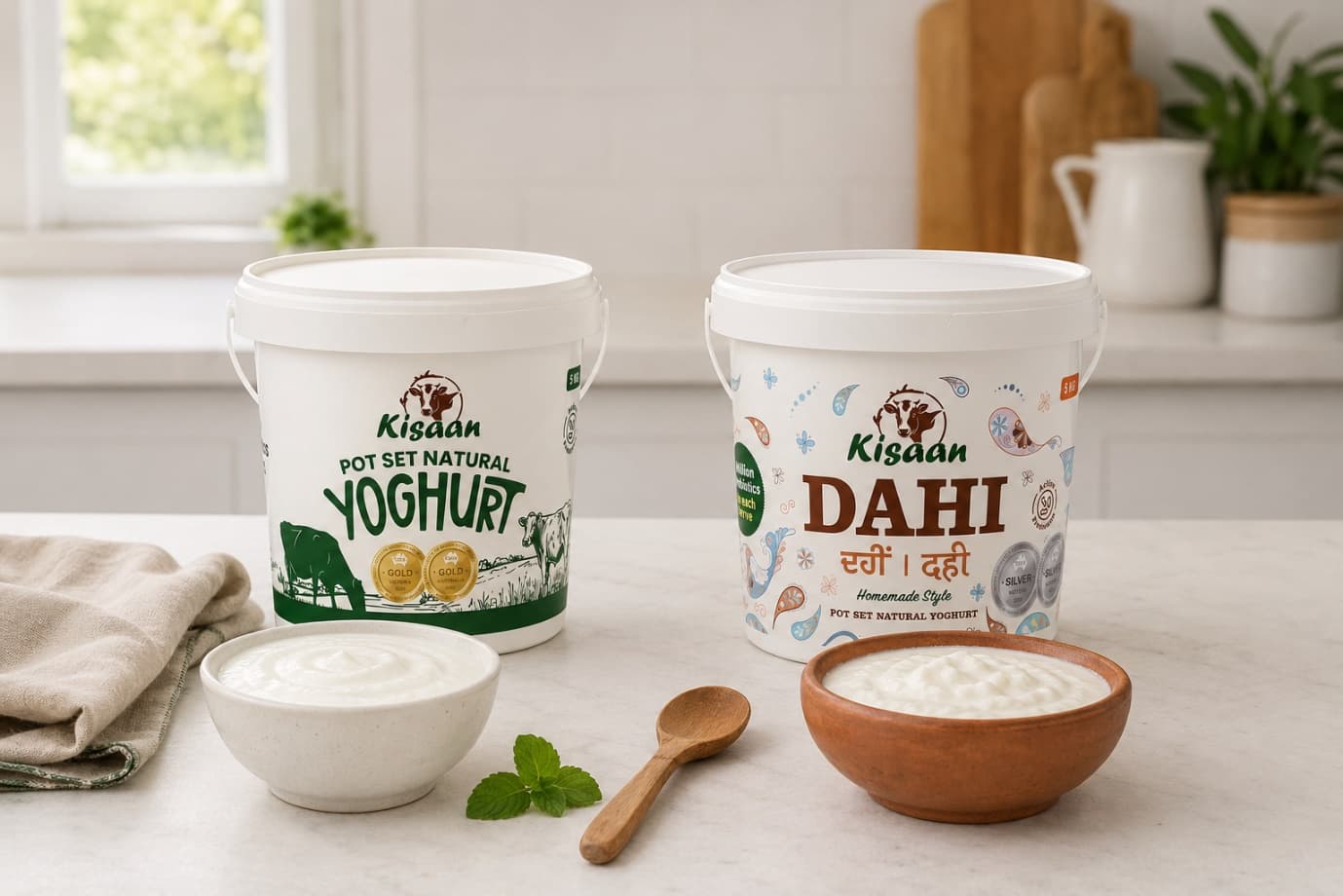
If you've ever stood in the dairy aisle wondering about the difference between dahi and yoghurt, you're not alone. Although both are made by fermenting milk and look quite similar, they aren't exactly the same.
In Australia, the word yoghurt is commonly used, while many Indian households simply call it dahi. Because both products are creamy, versatile and made from milk, it's easy to assume they're interchangeable. However, their origins, preparation methods and traditional uses tell a different story.
For many families, especially those who enjoy Indian cooking, choosing between dahi and yoghurt isn't just about taste—it's about using the right ingredient for the right recipe. Whether you're preparing a bowl of cooling raita, making homemade lassi or enjoying yoghurt with fresh fruit at breakfast, understanding these differences can help you make better choices in the kitchen.
Traditional dairy products have long been part of everyday cooking across many cultures. While dahi and yoghurt are popular choices, ingredients such as ghee are equally important in many kitchens. If you're also curious about traditional clarified butter, read our guide on What Is Ghee? Benefits, Uses, How It's Made & Where to Buy in Australia.
In this guide, we'll explain the difference between dahi and yoghurt in simple terms, explore how each is made, where they're commonly used and answer some of the most frequently asked questions.
What Is Dahi?
Dahi is a traditional fermented milk product that has been part of everyday meals across the Indian subcontinent for generations. It is commonly enjoyed in India, Pakistan, Bangladesh and Nepal, where it plays an important role in both daily cooking and festive occasions.
Unlike many commercially produced dairy products, dahi has long been made in homes using a simple method. Fresh milk is gently heated, allowed to cool to the right temperature, and then mixed with a small amount of previously prepared dahi. This starter helps the milk ferment naturally over several hours, creating a smooth, creamy texture and a mild, pleasant flavour.
Whether you're making dahi at home or buying it from a trusted dairy brand, the type of milk you choose matters. Learn more in our article Which Milk Is Best for Your Family? Homogenised vs Un-Homogenised.
Today, while many people still prepare dahi at home, it is also available from trusted dairy brands, making it convenient for busy families without losing its traditional appeal.
One reason dahi remains so popular is its versatility. It can be enjoyed on its own or used in countless recipes, including:
- Raita
- Lassi
- Kadhi
- Marinades
- Rice dishes
- Everyday curries
- Parathas
- Traditional desserts
For many people, a meal simply doesn't feel complete without a serving of fresh dahi on the table. If you are Looking for authentic traditional dahi in Australia? Explore Kisaan Traditional Dahi, made for everyday meals and classic Indian recipes.
What Is Yoghurt?
Yogurt (spelt yoghurt in Australia) is also a fermented dairy product made from milk. While it shares similarities with dahi, it has developed through different culinary traditions and is produced in a wide variety of styles around the world.
Walk into almost any Australian supermarket and you'll find shelves filled with different types of yoghurt, including:
- Natural yoghurt
- Greek yoghurt
- Flavoured yoghurt
- Vanilla yoghurt
- Fruit yoghurt
- Low-fat yoghurt
- High-protein yoghurt
Each variety is made to suit different tastes and preferences. Some are thick and creamy, while others are lighter and smoother. Some are plain and ideal for cooking, while others are sweetened for breakfast or snacks.
Yoghurt has become a staple in many Australian homes because it's incredibly versatile. People enjoy it in many different ways, such as:
- With fresh fruit
- Mixed into smoothies
- Served with granola
- Added to dips
- Used in baking
- Enjoyed as a quick snack
Although yoghurt and dahi may look alike, they have grown from different food traditions, which is why understanding the difference between dahi and yoghurt is so useful. If you enjoy plain, creamy yoghurt for breakfast, cooking or snacks, explore Kisaan Yoghurt, made for Australian families who appreciate fresh, quality dairy.
What Is the Difference Between Dahi and Yoghurt?
This is one of the most common questions asked by shoppers, and the answer isn't simply "they're the same."
The main difference between dahi and yoghurt lies in their preparation, cultural background and the way they're traditionally used.
While both products begin with milk and undergo fermentation, dahi is deeply rooted in South Asian culinary traditions, whereas yoghurt has evolved into a broad category of dairy products enjoyed worldwide.
Here's a simple comparison:
| Feature | Dahi | Yoghurt / Yoghurt |
|---|---|---|
| Origin | Indian subcontinent | Popular worldwide, especially Europe and the Middle East |
| Preparation | Traditionally prepared using an existing batch of dahi as a starter | Usually produced using carefully selected cultures under controlled conditions |
| Flavour | Mild and familiar | Can range from mild to tangy depending on the variety |
| Texture | Soft, smooth and creamy | Varies from smooth to very thick, such as Greek yoghurt |
| Common Uses | Indian cooking, raita, kadhi, lassi and marinades | Breakfast, desserts, smoothies, dips and snacks |
| Availability | Indian grocery stores and specialty dairy brands | Widely available in Australian supermarkets |
Rather than one being "better" than the other, each has its own place in the kitchen. The right choice depends on what you're making and the flavour and texture you're looking for.
Are Dahi and Yoghurt Made Differently?
Both dahi and yoghurt start with fresh milk, and both rely on fermentation to develop their characteristic texture and flavour. However, the way they are traditionally prepared differs.
Traditional dahi is often made by adding a small amount of previously prepared dahi to warm milk. The mixture is then left undisturbed until it naturally sets into a smooth, creamy consistency. This simple method has been passed down through generations in many households.
Commercial yoghurt, on the other hand, is generally produced using carefully selected cultures in controlled manufacturing environments. This helps create a consistent taste and texture from one batch to the next.
Despite these differences, both products share one important characteristic—they transform ordinary milk into a versatile dairy product that can be enjoyed in many different ways.
Is Dahi the Same as Curd?
One of the biggest sources of confusion is the use of the words curd, dahi and yoghurt. Many people use these terms interchangeably, but depending on where you live, they can mean slightly different things.
In many Indian households, dahi is simply referred to as curd when speaking English. For example, someone might say, "Please bring a bowl of curd," even though they are referring to traditional dahi.
In Australia, however, the word yoghurt is far more common, and many people may never have heard the word dahi unless they are familiar with South Asian cuisine.
This is why there is often confusion about the difference between dahi and yoghurt. While they are both fermented milk products, the terminology depends on culture, language and regional food traditions.
For everyday cooking, it's always helpful to read the product label rather than relying on the name alone. A plain, unsweetened dahi and a plain natural yoghurt may appear similar, but they are produced within different culinary traditions.
Which Is Better for Indian Cooking?
If you're preparing traditional Indian recipes, many home cooks prefer using dahi because it delivers the flavour and texture that these dishes are traditionally known for.
Some of the most popular recipes that commonly use dahi include:
- Raita
- Kadhi
- Dahi Bhalla
- Lassi
- Chicken marinades
- Paneer marinades
- Vegetable curries
- Biryani accompaniments
The mild flavour of dahi blends naturally with herbs, spices and seasonings without overpowering the dish.
That doesn't mean yoghurt can't be used. In fact, plain natural yoghurt is often a practical substitute when dahi isn't available. Many Australian families successfully use natural yoghurt in Indian recipes with good results.
If authenticity is your priority, traditional dahi is often the preferred choice. If convenience is more important, plain natural yoghurt can work well in many recipes.
Which Is Better for Breakfast?
Breakfast is where yoghurt is often the more familiar choice for Australian households.
Natural yoghurt pairs well with:
- Fresh berries
- Bananas
- Mango
- Honey
- Granola
- Oats
- Nuts
- Seeds
It also works well in smoothies or as a simple snack during the day.
Dahi, on the other hand, is less commonly eaten with sweet toppings. Instead, many South Asian families enjoy it as part of a savoury breakfast alongside parathas, poha, upma or other traditional dishes.
Neither option is better—they simply suit different eating habits and cultural preferences.
Can You Use Dahi Instead of Yoghurt?
Yes, in many recipes you can.
Since both are fermented dairy products, dahi and plain natural yoghurt can often be substituted for one another.
For example, either can be used in:
- Marinades
- Dips
- Salad dressings
- Smoothies
- Baking
- Homemade sauces
However, keep in mind that the final flavour and texture may vary slightly depending on the product you choose.
If you're preparing a traditional family recipe that has been passed down through generations, many cooks prefer using dahi because that's what the recipe was originally developed with.
For everyday cooking, both products are versatile enough to work in a wide range of dishes.
Why Do Many Indian Families Prefer Dahi?
For many South Asian families, dahi is much more than just another dairy product. It's part of everyday life.
A bowl of fresh dahi often appears on the dining table alongside lunch or dinner, adding a familiar and comforting element to the meal.
It's also commonly served during festivals, family gatherings and celebrations, making it an important part of many food traditions.
People appreciate dahi because it can be enjoyed in many different ways. Some enjoy it plain, while others use it in savoury recipes, refreshing drinks or traditional desserts.
For families who have grown up with homemade dahi, its taste and texture are closely connected with home cooking and family traditions.
Choosing Quality Dahi or Yoghurt in Australia
Whether you're buying dahi or yoghurt, choosing a quality product starts with understanding how you plan to use it.
If you're making Indian recipes, look for plain, unsweetened products that are suitable for cooking.
If you're buying yoghurt for breakfast or snacks, you may prefer one that matches your taste and texture preferences.
When shopping, consider:
- Freshness
- Ingredient list
- Plain or flavoured varieties
- Texture
- Packaging integrity
- Refrigeration
If you're unsure, try a few different products to discover which one suits your cooking style and personal taste.
Fresh ingredients are the foundation of quality dairy products. If you're interested in learning why more households are choosing fresh dairy delivered directly to their door, read Why Melbourne Families Are Switching to Farm-Fresh Milk Delivery.
Many Indian grocery stores across Australia stock traditional dahi alongside a wide selection of natural yoghurts, giving shoppers plenty of choice.
Common Myths About Dahi and Yoghurt
There are several misconceptions about these two dairy products.
Myth 1: Dahi and yoghurt are exactly the same.
While they share similarities, they come from different culinary traditions and are commonly prepared in different ways.
Myth 2: Yoghurt cannot be used in Indian cooking.
Plain natural yoghurt can be used in many Indian recipes, especially when traditional dahi isn't available.
Myth 3: Dahi is only for Indian food.
Although it's widely used in South Asian cooking, dahi can also be enjoyed in many everyday meals, dips and homemade recipes.
Myth 4: Every yoghurt tastes the same.
Australian supermarkets offer a wide variety of yoghurts, each with its own flavour, consistency and intended use.
Understanding the difference between dahi and yoghurt helps you choose the right product instead of relying on common assumptions.
Frequently Asked Questions About the Difference Between Dahi and Yoghurt
Is there a difference between dahi and yoghurt?
Yes. Although both are fermented dairy products made from milk, there is a difference between dahi and yoghurt. Dahi is rooted in South Asian culinary traditions and is commonly used in Indian cooking, while yoghurt is available in many varieties and is widely enjoyed around the world. They may look similar, but they can differ in flavour, texture and traditional uses.
Is dahi the same as yoghurt?
Not exactly.
Dahi and yoghurt share many similarities, but they are not identical. Dahi is traditionally prepared using an existing batch of dahi as a starter, whereas commercial yoghurt is generally produced using selected cultures under controlled conditions.
Can I use yoghurt instead of dahi?
Yes.
Plain, unsweetened natural yoghurt can often be used instead of dahi in recipes such as marinades, raita and dips. However, if you're preparing a traditional family recipe, many cooks prefer using dahi for its familiar flavour and texture.
Which is better for Indian cooking?
Many traditional Indian recipes are designed with dahi in mind. Dishes such as kadhi, raita, lassi and marinades often use dahi because it complements the ingredients and reflects traditional cooking methods.
If dahi isn't available, plain natural yoghurt is a practical alternative for many recipes.
Is dahi available in Australia?
Yes.
Dahi is widely available in many Indian grocery stores across Australia. Some Australian dairy brands also produce traditional-style dahi to meet the growing demand from multicultural communities.
Is Greek yoghurt the same as dahi?
No.
Greek yoghurt is made differently and is known for its thicker consistency. While it can be used in some recipes, it has a different texture and culinary purpose compared to traditional dahi.
Can I make dahi at home?
Yes.
Many families continue to prepare dahi at home using warm milk and a small amount of existing dahi as a starter. Once the milk is left undisturbed for several hours, it naturally sets into fresh dahi.
Which is better for breakfast?
Both can be enjoyed at breakfast.
Natural yoghurt is commonly served with fruit, granola and oats, while many South Asian families enjoy dahi with parathas, poha or other traditional breakfast dishes.
The better option depends on your personal preference and the type of meal you're preparing.
How should dahi and yoghurt be stored?
Both should be kept refrigerated according to the storage instructions on the packaging. Once opened, use clean utensils to help maintain freshness and always follow the manufacturer's best-before guidance.
Does every yoghurt taste the same?
No.
Natural yoghurt, Greek yoghurt, flavoured yoghurt and traditional-style yoghurt can all have different flavours and textures. Choosing the right one depends on how you plan to use it.
Final Thoughts: Understanding the Difference Between Dahi and Yoghurt
Understanding the difference between dahi and yoghurt doesn't have to be complicated. Both are versatile fermented dairy products that have earned a place in kitchens around the world, but each comes from its own culinary tradition.
Dahi has been part of everyday meals across the Indian subcontinent for generations and remains a favourite for recipes such as raita, kadhi, lassi and marinades. Yoghurt, meanwhile, has become a staple in Australian households and is enjoyed in everything from breakfast bowls to smoothies and desserts.
Rather than asking which one is better, it's more helpful to consider how you plan to use it. If you're preparing a traditional Indian recipe, dahi is often the preferred choice. If you're looking for a quick breakfast or snack, natural yoghurt may be exactly what you need.
Knowing the difference allows you to choose the right product with confidence, whether you're cooking a family recipe, exploring new flavours or simply stocking your fridge with quality dairy products.
Whether you're preparing homemade raita, enjoying a bowl of yoghurt for breakfast or cooking your favourite family recipes, choosing quality dairy makes all the difference. Explore Kisaan Traditional Dahi and Kisaan Award Winning Yoghurt, along with our range of fresh dairy products made for Australian families.